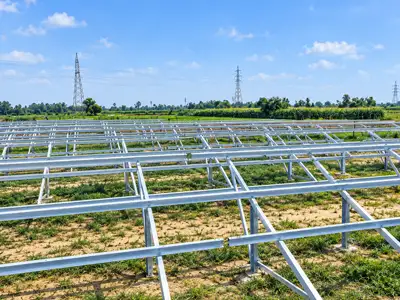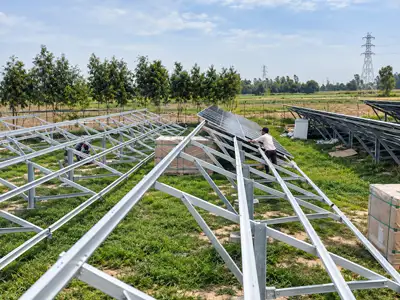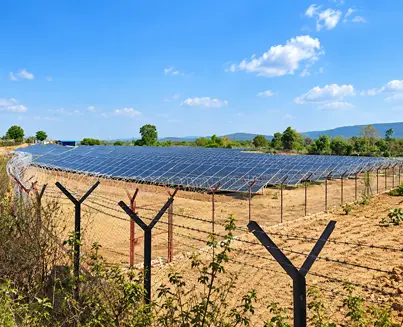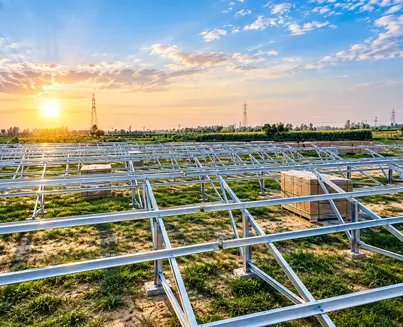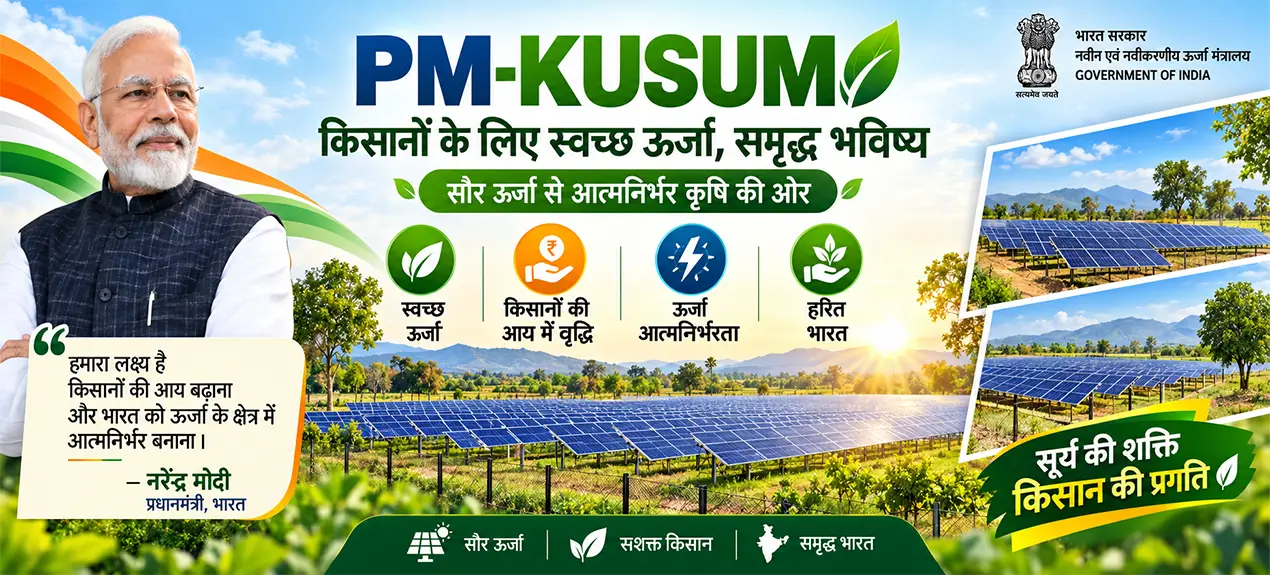
Somaya Solar Solutions Limited supports PM-KUSUM solar project execution in India for scheme-linked ground-mounted projects. Available first-party project evidence supports supply, installation, testing and commissioning experience, together with project-specific DISCOM liaison in a documented PM-KUSUM-linked project.
A PM-KUSUM project requires more than physical solar-plant construction. The applicable component, applicant eligibility, land and substation feasibility, allocation or tender, PPA or procurement structure, equipment requirements, grid connectivity and commissioning conditions can all affect whether a project is technically and commercially executable.
The original PM-KUSUM phase was structured through Components A, B and C and had a stated scheme period up to 31 March 2026.
As of September 2026, implementation data continues to be reported on the national portal, while the Government has also announced preparation of the next phase of PM-KUSUM with a stronger agrivoltaics focus.
Current PM-KUSUM Status - September 2026
- PM-KUSUM should not currently be presented as one universally open national application window.
- The MNRE scheme page lists the original scheme period up to 31 March 2026.
- However, the National PM-KUSUM Portal continues to publish implementation progress for already sanctioned and ongoing projects.
- The Government has also announced that the next phase of PM-KUSUM is being prepared, with a dedicated focus on agrivoltaics that can allow farming and solar generation to coexist on the same land.
For a new project enquiry, the first questions should therefore be:
- Which PM-KUSUM component or successor programme applies?
- Is a current State / DISCOM allocation or tender available?
- Is the proposed applicant eligible?
- Is the relevant substation accepting capacity?
- What current tariff, PPA, CFA or procurement rules apply?
- Which agency is implementing the project in that State?
Scheme availability, subsidy, tariff and application process should be verified from current official sources rather than old marketing pages.
Understanding the PM-KUSUM Project Structure
The original PM-KUSUM framework was divided into three main components.
Component A — Decentralised Grid-Connected Renewable Power Plants
Component A covered decentralised ground- or stilt-mounted renewable energy power plants.
Under the official framework, the project capacity range was generally 500 kW to 2 MW.
Eligible project participants included categories such as:
- Individual farmers
- Groups of farmers
- Cooperatives
- Panchayats
- Farmer Producer Organisations
- Water User Associations.
These participants were referred to as Renewable Power Generators under the scheme framework.
Generation was supplied to the relevant DISCOM under the applicable state procurement / PPA structure.
Component B — Standalone Solar Agriculture Pumps
Component B related primarily to standalone solar agriculture pumps.
This is a materially different project category from Somaya's available MW-scale ground-mounted evidence.
Somaya should therefore not use its existing 2.4 MW project evidence to imply a verified Component-B pump-installation portfolio.
Component C — Solarisation of Grid-Connected Agricultural Loads
Component C covers solarisation of grid-connected agricultural electricity demand. Its implementation can include individual pump solarisation as well as Feeder Level Solarisation, depending on the applicable programme structure.
Feeder Level Solarisation Under PM-KUSUM Component C
Feeder Level Solarisation can involve a centralised solar power plant supplying an agricultural feeder rather than a separate solar installation for every individual pump. This creates a project profile that can involve land, plant engineering, procurement, construction, grid interconnection, feeder or substation interface, testing and commissioning.
For an EPC buyer, the first step is to establish the exact State or DISCOM implementation model. Project capacity, tender conditions, CFA or other financial-support provisions, equipment requirements, evacuation scope, EPC or RESCO structure and commissioning responsibilities can differ by allocation.
Somaya’s supplied KUSUM-C evidence supports ground-mounted supply, installation, testing and commissioning experience. It should not be interpreted as evidence of every Component-C subcategory or every State implementation model.
PM-KUSUM Component A vs Component C
Component A and Component C can both create solar-project opportunities, but they address different scheme structures and should not be treated as interchangeable.
Component A is primarily associated with decentralised grid-connected renewable power plants developed by eligible Renewable Power Generators under the applicable DISCOM procurement and PPA framework.
Component C addresses solarisation of grid-connected agricultural demand. This can include individual pump solarisation as well as Feeder Level Solarisation, where a larger solar plant may serve an agricultural feeder.
For project planning, the important distinction is not only the component name. The applicant model, land requirement, grid connection, tender or allocation, commercial structure, financial assistance, EPC responsibility and commissioning conditions need to be checked from the current State and DISCOM documents.
Somaya’s project evidence should therefore be matched to the exact component and contracted scope rather than used as proof of universal capability across all PM-KUSUM categories.
PM-KUSUM Component A Is More Than Building a Solar Plant
A Component-A project should be evaluated before EPC construction begins because land, grid feasibility, allocation, commercial structure and project documentation can determine whether the proposed plant is executable.
Critical questions include:
Is Grid Capacity Available?
The proposed project needs a viable connection point.
Available capacity at the relevant substation can materially affect whether a site is practical.
Land should therefore not be evaluated independently from grid connectivity.
Is the Land Suitable?
Project assessment may need to consider:
- land ownership
- title documents
- contiguous usable area
- agricultural / barren / fallow classification
- access
- right of way
- topography
- distance from the relevant substation
- evacuation route.
Is the Project Properly Allocated?
Component-A capacity has historically been implemented through State / DISCOM / nodal-agency processes.
The applicable allocation, tender, selection or registration mechanism should be confirmed before committing significant capital.
Is the Commercial Structure Clear?
Applicable PPA, tariff and commissioning conditions can materially affect project economics and engineering decisions.
These should come from the current official project documents rather than generic online assumptions.
Substation Capacity Should Be Checked Early
A suitable land parcel does not automatically make a viable PM-KUSUM project.
The nearest substation may have:
- limited available capacity
- an unsuitable connection voltage
- significant evacuation distance
- bay constraints
- additional infrastructure requirements.
Land and substation feasibility should be assessed together because an otherwise suitable site can become impractical if viable grid capacity, connection infrastructure or an economical evacuation route is unavailable.
For this reason, project evaluation should consider land and grid feasibility together.
How Close Does a PM-KUSUM Project Need to Be to a Substation?
There is no single national substation-distance figure that makes every PM-KUSUM project viable. The practical distance depends on the available connection point, voltage level, evacuation design, right of way, line and bay requirements, project capacity, losses, infrastructure cost and the conditions in the applicable State or DISCOM allocation.
A nearer substation can reduce evacuation complexity, but distance alone is not enough. Available grid capacity and the technical feasibility of the proposed connection must also be confirmed.
How Much Land Is Required per MW for a PM-KUSUM Solar Project?
A universal land-per-MW figure should not be used as a project commitment. Actual land requirement depends on module technology, mounting arrangement, row spacing, site shape, topography, drainage, internal roads, electrical infrastructure, setbacks and the applicable project design.
For project evaluation, usable contiguous land and its relationship with the grid connection are more important than relying on a generic acreage assumption.
Land and Right-of-Way Considerations
A PM-KUSUM ground-mounted project may involve more than the solar plant boundary.
Depending on the connection arrangement, it can also require:
- evacuation-line routing
- access to the substation
- permissions
- right of way
- land documentation
- lease documentation
- construction access.
If land is leased, the lease arrangement should align with the project and PPA requirements applicable to the specific allocation.
Somaya's exact role in land documentation, lease structuring or legal due diligence should be separately agreed and should not be assumed from EPC capability.
PPA and Tariff Need Current Verification
PM-KUSUM tariffs and procurement structures should not be published as universal fixed numbers.
The applicable tariff may depend on:
- component
- State
- DISCOM
- procurement process
- regulatory approval
- tender or allocation
- project vintage.
Likewise, PPA conditions may affect:
- commissioning deadline
- generation measurement
- grid availability
- curtailment
- payment mechanism
- plant performance responsibilities.
For every new project, the current PPA / tender / DISCOM document should take precedence over generic website information.
Financial Assistance Is Component-Specific
Financial assistance under PM-KUSUM has not been identical across all components.
For example, official government information distinguishes between:
- Component A incentives associated with DISCOM procurement
- CFA for standalone pump and individual pump-solarisation categories
- separate financial-assistance structures for Feeder Level Solarisation.
Therefore, a website should not simply state that every PM-KUSUM solar plant receives a fixed percentage subsidy.
The exact financial-support structure must be verified against the current applicable scheme notification and State implementation.
Project Financing and Financial Closure for PM-KUSUM Projects
Scheme financial assistance and project financing are not the same thing. A project may satisfy a scheme or allocation requirement but still need a workable financing structure before procurement and construction can proceed.
Financial closure can depend on factors such as the project cost, promoter contribution, debt availability, PPA or revenue structure, land documentation, project approvals, technical assumptions, implementation schedule and lender requirements.
For this reason, financing should be evaluated alongside the DPR, project economics and contractual structure rather than after EPC execution has already been planned.
Somaya’s EPC capability should not be interpreted as a claim that Somaya provides project finance, sanctions bank loans or guarantees financial closure. Any financing-related responsibility must be separately established for the individual project.
PM-KUSUM Solar EPC Company and Contractor Scope
A PM-KUSUM solar EPC contractor can be responsible for a defined combination of engineering, procurement, construction, installation, testing and commissioning activities. The exact responsibility depends on the component, tender or allocation conditions and the agreed project contract.
For buyers comparing PM-KUSUM EPC companies in India, the important question is not whether a contractor uses the term “EPC.” The evaluation should establish which project responsibilities are actually included, which are excluded and which remain with the project owner, developer, DISCOM or another agency.
Where included in Somaya’s agreed contract, the project scope can be structured around the following work packages.
Site and Project Evaluation
Useful initial inputs can include:
- State
- project component
- land location
- available land
- nearest known substation
- sanctioned / proposed capacity
- allocation or tender status
- PPA status
- current project stage.
Engineering
Project engineering can involve plant layout, structural and electrical planning and integration with the applicable project conditions.
The exact Somaya engineering responsibility should be defined in the approved proposal.
Procurement, ALMM and Applicable Domestic-Content Requirements
Equipment procurement should follow the technical specifications, approved design and current scheme, tender or allocation requirements applicable to the project.
Where an applicable project requires modules or manufacturers to comply with the current ALMM framework, procurement should be checked against the official requirements in force for that allocation.
Domestic-content requirements should also be verified from the applicable current notification rather than assumed from an older PM-KUSUM project or another State programme.
Equipment should therefore be finalised only after the project-specific compliance requirements are established.
Ground-Mounted Installation
Somaya's available first-party PM-KUSUM evidence is ground-mounted.
Ground-mounted execution can include physical installation of project equipment and related contracted work packages.
Construction and Site Execution
Construction requirements depend on the approved design and contracted responsibility matrix. For a ground-mounted PM-KUSUM project, execution can involve coordinated civil, structural and electrical work required to take the approved plant design from site preparation through installation.
The exact foundations, mounting structures, civil packages and site-development responsibilities should remain project-specific. Deeper physical ground-mounted design and construction detail belongs to Somaya’s Ground Mounted Solar Power Plant service rather than being duplicated on this scheme-specific page.
Electrical Installation
Electrical work depends on the project configuration and agreed responsibility matrix.
Testing & Commissioning
Somaya's supplied PM-KUSUM project records specifically include testing and commissioning within the recorded scope.
Grid / DISCOM Coordination
One supplied PM-KUSUM-linked project records liaisoning with the local DISCOM in response to a transmission-line-related issue.
The exact grid and liaison responsibility for a new project should be defined contractually.
Somaya PM-KUSUM Project Evidence
PM-KUSUM-Linked Ground-Mounted Project — Katni, Madhya Pradesh
Project: KUSUM-C, Ram Sati Devi
Capacity recorded in supplied evidence: 2.4 MW
Location: Katni, Madhya Pradesh
Project Type: Ground Mounted
Recorded Scope: Supply, Installation, Testing & Commissioning
Recorded Status: Up and Running
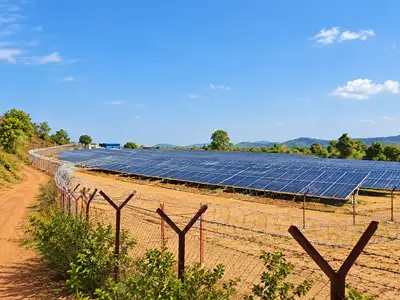
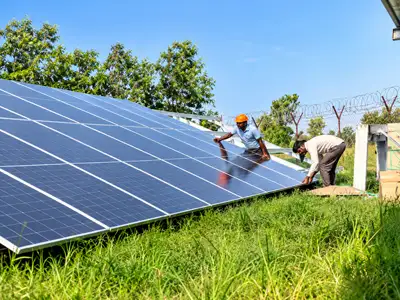
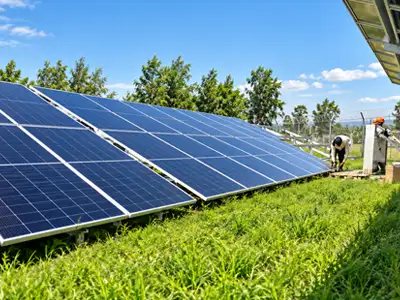
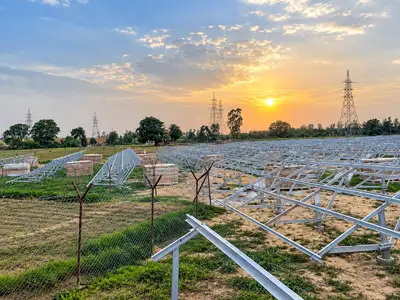
Somaya’s supplied project record documents a ground-mounted KUSUM-C project in Katni with supply, installation, testing and commissioning included in the recorded scope.
The project also provides first-party evidence of Somaya liaising with the local DISCOM when a transmission-line-related execution issue arose.
This example is relevant because it demonstrates scheme-linked ground-mounted execution together with testing, commissioning and project-specific DISCOM coordination rather than presenting PM-KUSUM capability only as a generic service claim.
Review actual project capacities, locations, industries, photographs and available company certification or registration evidence rather than relying only on marketing statements.
View Somaya Certifications
View Somaya Projects
Why PM-KUSUM Projects Can Stall
PM-KUSUM projects can be delayed when technical, commercial, land, grid and documentation dependencies are addressed too late or responsibilities are not clearly assigned.
Land Selected Before Grid Feasibility
A site may look suitable but fail commercially if the required substation capacity is unavailable or evacuation becomes uneconomic.
Land Documentation Problems
Title, access, right of way, lease tenure and other documentation can delay projects.
Financial Closure Delays
A sanctioned project still needs a workable commercial and financing structure.
Evacuation Scope Is Not Defined
Disputes can occur when responsibilities for line, bay, substation interface or approvals are unclear.
Equipment Rules Are Checked Too Late
Scheme/tender-specific module or domestic-content rules can affect procurement and schedule.
Project Timeline Assumptions Are Too Generic
DISCOM processes, grid charging and third-party permissions cannot always be accelerated simply by adding manpower.
DPR and Engineering for PM-KUSUM Projects
A Detailed Project Report can become important in larger scheme-linked projects.
Depending on project requirements, useful DPR inputs may include:
- project capacity
- solar-resource assessment
- land/site information
- plant layout
- electrical configuration
- single-line diagram
- generation estimate
- equipment specifications
- evacuation concept
- project cost assumptions
- implementation schedule.
The exact responsibility for feasibility studies, DPR preparation, engineering documents and lender-facing technical documentation should be defined in Somaya’s project contract. Where these services are required before EPC award, the required deliverables should be agreed before detailed engineering or procurement begins.
EPC vs EPCM in PM-KUSUM Projects
Both delivery structures can appear in the market.
EPC
A defined Engineering, Procurement and Construction contractor may take responsibility for an agreed lump-sum or turnkey scope.
EPCM
Engineering, Procurement and Construction Management can leave individual vendor contracts with the owner while the EPCM partner coordinates project execution.
Somaya should use only the contracting model actually offered for the individual project.
This PM-KUSUM page should not claim EPCM capability unless verified.
PM-KUSUM vs Ground-Mounted Solar
PM-KUSUM projects may use ground-mounted plants, but these are not identical search intents.
Ground Mounted Solar Power Plant describes the physical system and execution environment.
PM-KUSUM Solar Projects describes scheme-specific project development, eligibility, component, DISCOM, tender/PPA and implementation requirements.
The Ground Mounted page should own deeper questions about:
- site
- foundations
- structures
- MMS
- civil works
- physical installation.
This page should own scheme-specific project intent.
PM-KUSUM vs Solar IPP Development
Some PM-KUSUM projects may involve private developers or RESCO-style structures.
That does not mean every EPC contractor is an Independent Power Producer.
IPP responsibilities may involve:
- project investment
- asset ownership
- financing
- SPV
- holding the PPA
- electricity sale
- long-term generation risk.
Somaya’s verified PM-KUSUM EPC evidence does not by itself establish IPP investment, asset ownership, SPV responsibility, PPA ownership or electricity-sale capability. These roles should be represented only where separate first-party evidence confirms them.
How to Evaluate a PM-KUSUM EPC Company or Contractor?
A buyer evaluating a PM-KUSUM EPC company should compare actual scheme experience, contracted scope, engineering capability, grid and evacuation responsibility, project evidence, commissioning support and handover requirements rather than relying only on a generic EPC claim.
Scheme and State Experience
PM-KUSUM implementation can differ by State and allocation.
Ask whether the contractor understands the specific DISCOM / nodal-agency process relevant to the project.
Actual Project Scope
Check responsibility for:
- engineering
- procurement
- structures
- civil work
- electrical work
- evacuation
- DISCOM liaison
- testing
- commissioning
- documentation
- O&M.
Relevant Project Evidence
Request real capacities, locations, status and scope.
Evacuation Responsibility
This should be clearly documented because it can become a major source of delay and commercial dispute.
Project Handover
Confirm what documentation is transferred after commissioning, such as applicable drawings, test records and warranties.
Current Scheme Compliance
Do not rely on old marketing material for current tariff, CFA, equipment or eligibility requirements.
PM-KUSUM Tenders, Allocations and New Project Applications
A PM-KUSUM project opportunity should be checked against the current State, DISCOM or implementing-agency process rather than assuming that one national application window applies across India.
Depending on the project structure, a new opportunity may arise through a tender, capacity allocation, registration process, developer selection, State programme or another scheme-specific procurement route.
Before preparing an EPC proposal, confirm the applicable PM-KUSUM component or successor programme, State and implementing agency, tender or allocation reference, applicant or bidder eligibility, available project capacity, land and substation conditions, PPA or procurement structure, applicable financial-assistance provisions, equipment requirements, and bid or commissioning deadlines.
For a 2026 enquiry, current official State, DISCOM, MNRE or tender documentation should take precedence over historical application instructions.
Information to Share for a PM-KUSUM Project Discussion
For an initial project evaluation, useful information can include:
- State and district
- PM-KUSUM component, if known
- project capacity
- land ownership / lease status
- approximate available land
- nearest known substation
- tender / allocation reference
- PPA status
- DISCOM / implementing agency
- project stage
- required EPC scope
- available DPR / SLD / survey / tender documents
- expected commissioning requirement.
hare Your PM-KUSUM Project & Explore Solar EPC Solutions
Frequently Asked Questions
Is PM-KUSUM still active in 2026?
The original national scheme page states a period up to 31 March 2026.
Implementation of already sanctioned projects continues to be reported on the National PM-KUSUM Portal, and the Government has announced preparation of the next phase.
New applicants should verify the current State / DISCOM / MNRE notification applicable at the time of enquiry.
Has PM-KUSUM 2.0 launched?
As of 13 September 2026, the Government has publicly discussed and announced the next phase, including a proposed agrivoltaics focus.
It should not yet be presented as a universally open national programme unless a formal applicable launch / guideline / tender has been issued.
What was PM-KUSUM Component A?
Component A covered decentralised grid-connected renewable energy power plants, generally between 500 kW and 2 MW under the original national framework.
Who could participate under Component A?
The framework included individual farmers, groups of farmers, cooperatives, panchayats, FPOs and Water User Associations.
Actual eligibility for a specific allocation must be checked from the applicable current notice.
Does every PM-KUSUM project receive 30% subsidy?
No.
Financial assistance differs by component.
Component-A, Component-B, Component-C Individual Pump Solarisation and Feeder Level Solarisation have different structures.
Is a PPA involved in Component A?
Component-A projects were structured around sale of generated electricity to the relevant DISCOM under the applicable procurement and PPA mechanism.
How important is the nearest substation?
Very important.
Available grid capacity, connection distance, bay availability and evacuation requirements can materially affect feasibility.
Can agricultural land be used?
The original framework permits relevant agricultural-land configurations under defined conditions.
Current State-specific land and scheme requirements must still be checked.
Does Somaya have PM-KUSUM project experience?
Yes. Somaya’s supplied evidence includes a PM-KUSUM-linked ground-mounted KUSUM-C project in Katni, Madhya Pradesh, with recorded scope covering supply, installation, testing and commissioning. The project record also supports project-specific liaison with the local DISCOM. Additional project records should be published only after their component, capacity and current status are internally verified.
What is Somaya's verified PM-KUSUM scope?
Somaya’s supplied PM-KUSUM project evidence supports supply, installation, testing and commissioning for the verified project record. It also supports project-specific DISCOM liaison in response to an execution issue. Engineering, procurement, evacuation, approvals, O&M and other responsibilities should be confirmed from the agreed scope for each new project.
Does Somaya finance or own PM-KUSUM projects?
That should not currently be assumed.
EPC execution evidence does not prove financing, SPV ownership, PPA ownership, electricity sale or IPP investment.
Can Somaya help with the PPA?
The exact responsibility must be verified for the individual project.
Do not assume that EPC capability means Somaya signs, holds or financially guarantees the PPA.
Can Somaya handle evacuation work?
The exact contracted evacuation/transmission responsibility must be defined project by project.
Somaya has supplied evidence of DISCOM liaison, but this does not establish a universal transmission/EHV scope.
What should I check before investing in a PM-KUSUM project?
Start with current scheme availability, project component, applicant eligibility, land, nearest substation capacity, allocation/tender, PPA, evacuation responsibility, project economics and financing.
How long does a PM-KUSUM project take?
There is no reliable universal timeline.
Land documentation, allocation, financing, engineering, procurement, evacuation, DISCOM process and commissioning can all affect duration.
How much land is required per MW for a PM-KUSUM solar project?
There is no single land-per-MW figure that should be used for every project. Module technology, mounting design, row spacing, site shape, topography, roads, drainage, electrical infrastructure and setbacks can change the usable land requirement. A project-specific layout is more reliable than a generic acreage assumption.
How far can a PM-KUSUM solar project be from the substation?
There is no universal maximum distance that applies to every PM-KUSUM project. Feasibility depends on the connection point, available grid capacity, voltage, evacuation infrastructure, right of way, losses and cost. The site and proposed grid connection should therefore be evaluated together.
Does Somaya provide financing for PM-KUSUM projects?
Somaya’s supplied PM-KUSUM evidence establishes project-execution scope, not a universal financing service. Project finance, bank loans, financial closure or investment responsibility should not be assumed unless specifically agreed and supported for the individual project.
How can I find a current PM-KUSUM tender or project opportunity?
Current opportunities should be checked through the relevant State, DISCOM, nodal agency, MNRE or official tender process applicable to the project. PM-KUSUM should not be treated as one continuously open national application window. Always verify the current tender, allocation and eligibility conditions before committing land or project expenditure
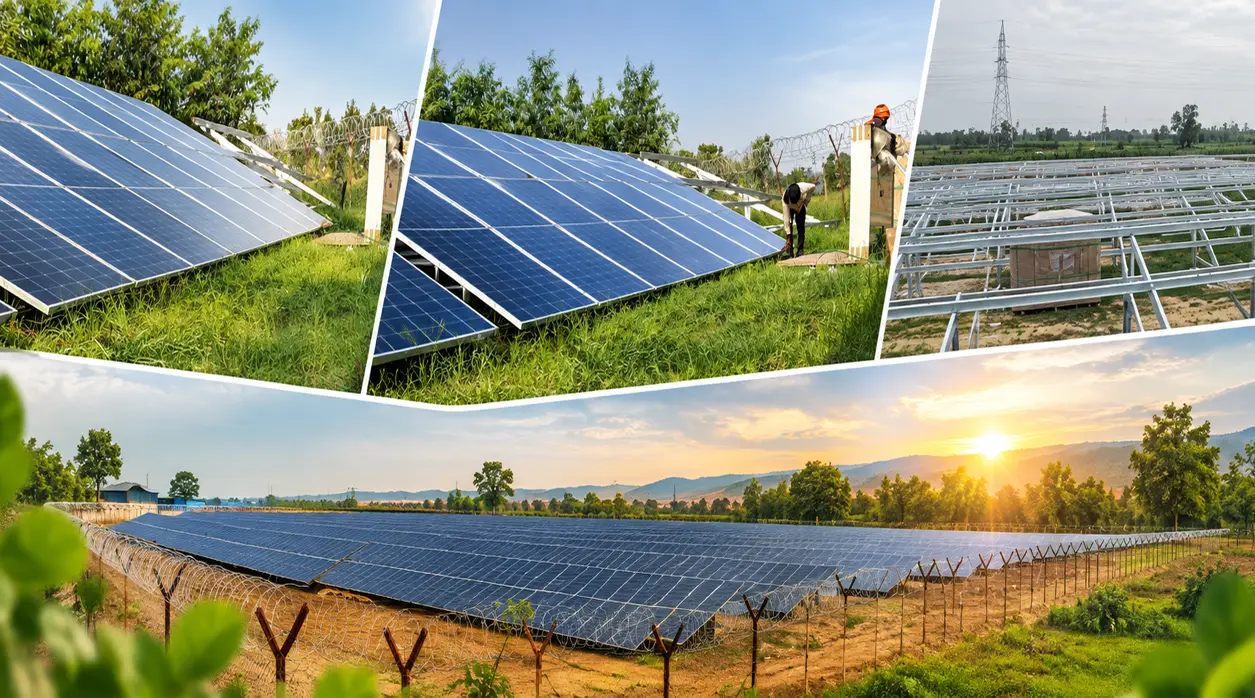
If you are evaluating a PM-KUSUM tender, allocation, land parcel, Component-A opportunity, Component-C / Feeder Level Solarisation project or other scheme-linked ground-mounted solar requirement, share the available project documents with Somaya Solar Solutions Limited for an initial EPC-scope discussion.
For the most useful initial discussion, include:
State | District | Component | Capacity | Land Status | Nearest Substation | Allocation/Tender | PPA Status | Required EPC Scope
Planning a PM-KUSUM solar project? Share your requirements with Somaya Solar and let’s discuss the right EPC approach for your project.
Discover Who We Are - www.somayasolar.com/about-us
Speak With the Project Team - www.somayasolar.com/contact-us