PM Kusum
PM KUSUM: A Practical Guide for Adoption, Planning, and Execution
The Pradhan Mantri Kisan Urja Suraksha evam Utthaan Mahabhiyan (PM-KUSUM) is a major initiative by the Government of India aimed at integrating solar energy into the agricultural sector. Introduced in 2019 by the Ministry of New and Renewable Energy (MNRE), the scheme focuses on improving farmers’ access to reliable energy for irrigation while encouraging the use of clean power.
Beyond reducing dependence on diesel pumps and unstable grid supply, the program also creates an opportunity for farmers to generate electricity through solar installations and sell surplus power to distribution companies (DISCOMs). This dual benefit energy security and additional income makes PM-KUSUM an important step toward sustainable rural development.
Understanding Where PM Kusum Solar Fits in Industrial Planning
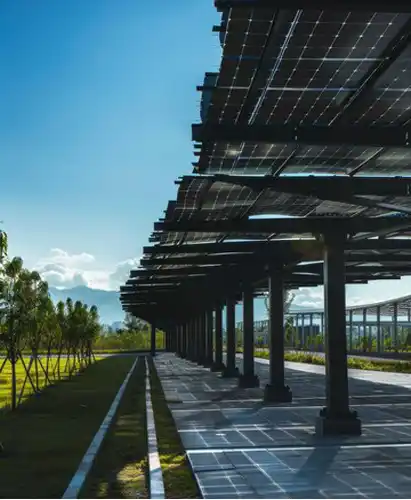
Although PM-KUSUM is primarily designed for agriculture, it also plays a role in larger energy and infrastructure planning. By promoting decentralized solar installations across rural areas, the scheme helps diversify India’s energy mix and reduce pressure on conventional power systems.
From a planning perspective, it encourages distributed energy production close to consumption points, which lowers transmission losses and improves energy reliability in remote regions. In addition, integrating solar pumps and small solar plants into rural infrastructure supports long-term sustainability goals and aligns with India’s broader renewable energy targets.
For organizations exploring solar adoption under PM-KUSUM, working with experienced solar infrastructure partners can significantly improve planning accuracy and execution efficiency.
When PM Kusum Solar Aligns Well With Your Operational Model
The scheme works particularly well for farmers and organizations that have suitable land and irrigation needs. It is especially beneficial when agricultural land includes unused or less productive sections that can host solar installations without affecting crop production.
Farmers with irrigation requirements benefit from solar-powered pumps, which provide reliable daytime electricity without recurring fuel costs. Similarly, landowners who install solar power plants under the program can generate income by selling electricity to DISCOMs through long-term power purchase agreements, typically lasting up to 25 years.
It is also suitable for Farmer Producer Organizations (FPOs), cooperatives, panchayats, and water user associations, which can collectively invest in solar infrastructure and share the benefits.
Structural Evaluation Criteria Before Vendor Selection
Choosing the right solar installation partner is a crucial step in ensuring the success of a PM-KUSUM project. Vendors should be evaluated based on their technical expertise, project experience, and compliance with government guidelines.
A reliable vendor should provide a detailed assessment of the site, including solar potential, grid connectivity feasibility, and system design. They should also have experience working within government-supported solar programs and demonstrate a clear understanding of regulatory requirements.
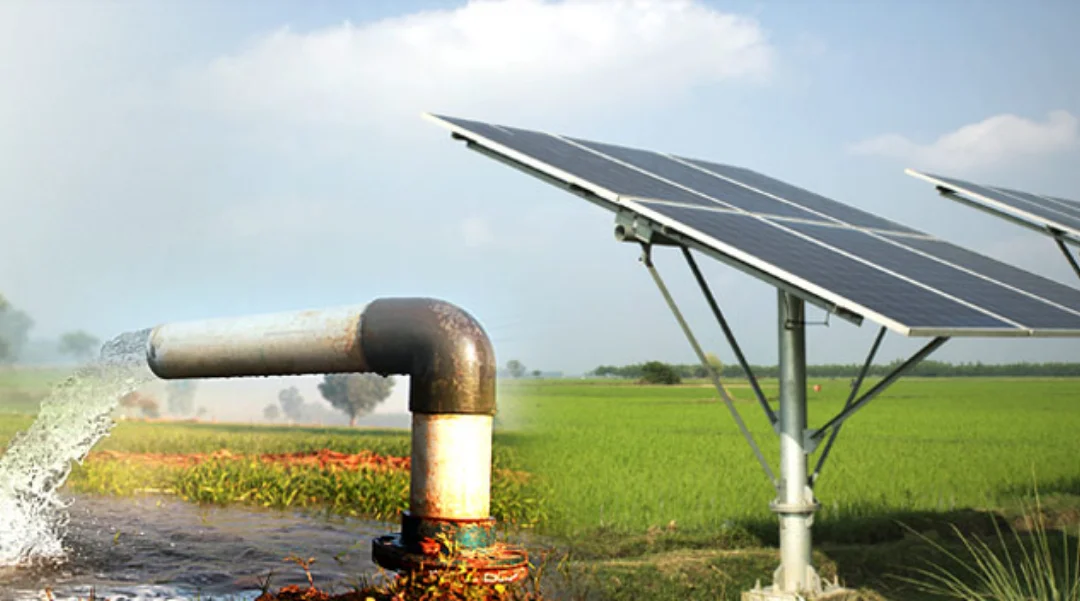
Working with established EPC providers such as Somaya Solar Solutions can help streamline this process, as they offer integrated services covering engineering, procurement, installation, and commissioning of solar projects.
Transparent pricing, quality equipment, and post-installation maintenance services are additional factors that help ensure the project operates efficiently over its expected lifespan.
Compliance and Regulatory Sensitivity
Since PM-KUSUM operates under a government framework, regulatory compliance is a critical aspect of implementation. Applicants must meet eligibility requirements and submit documentation such as identity proof, land ownership records, and bank account details.
Projects must also adhere to guidelines set by both the central government and state authorities. In many cases, coordination with state renewable energy agencies and local DISCOMs is necessary to finalize grid connections and power purchase agreements.
Solar solution providers with hands-on experience in government-backed projects can assist in navigating approvals, documentation, and compliance requirements more efficiently.
Financial Considerations Beyond CAPEX
While PM-KUSUM offers substantial financial assistance, project planning should extend beyond initial installation costs. The scheme typically divides the cost structure between central government subsidy, state government subsidy, bank financing, and a small farmer contribution.
However, participants should also consider long-term financial aspects such as system maintenance, loan repayment schedules, and operational reliability. Solar power plants may generate steady income through electricity sales, but performance depends on factors such as sunlight availability and system efficiency.
Practical Implementation Framework
A structured approach can simplify the implementation of a PM-KUSUM project. The process generally begins with registration on the official portal or the state renewable energy website, followed by submitting project details and required documents.
After the application is reviewed, authorities verify land suitability and technical feasibility. Once approval is granted, an authorized vendor installs the solar system, which is then connected to the grid where applicable.
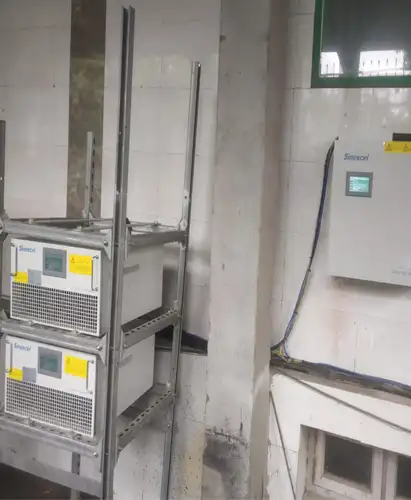
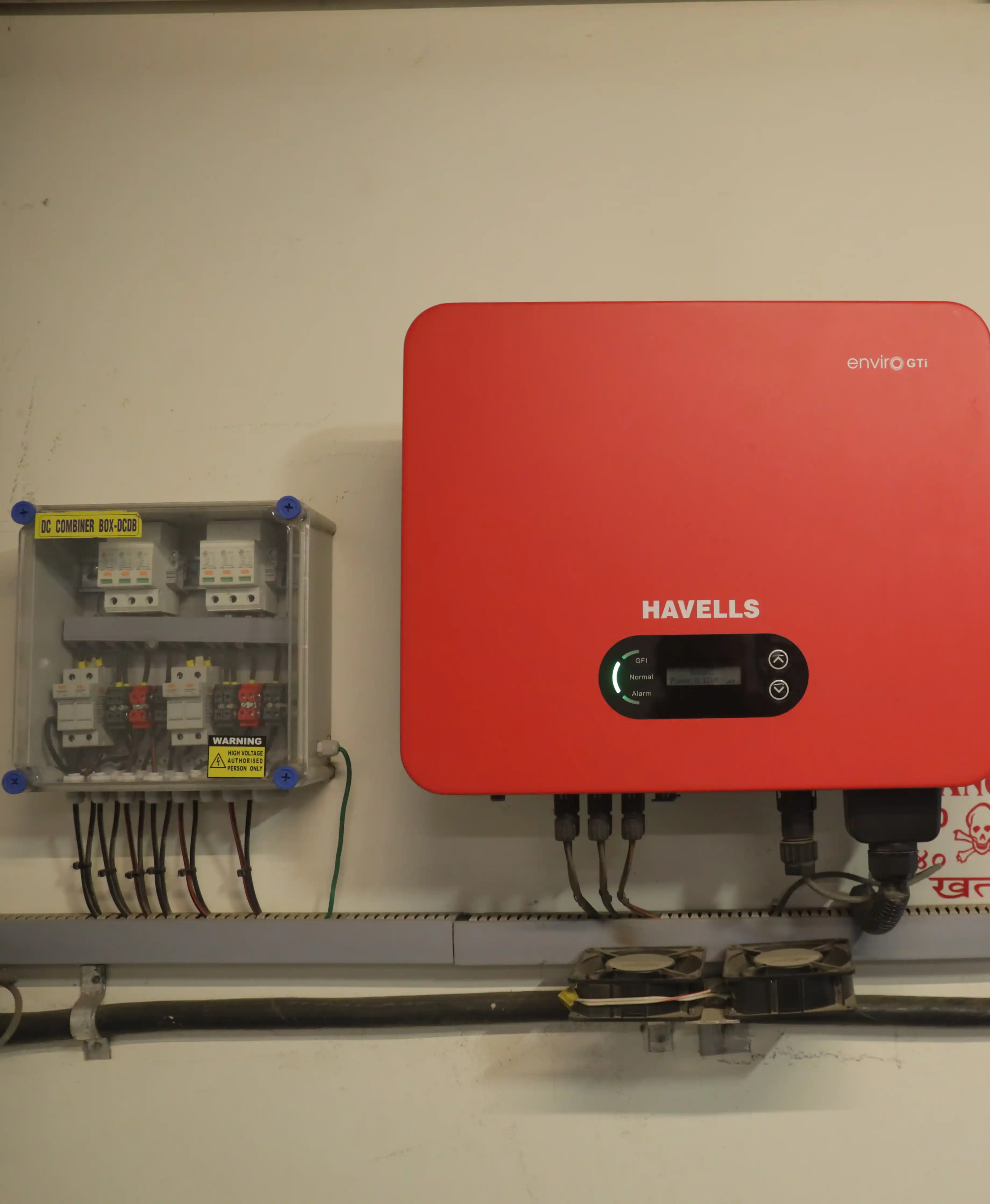
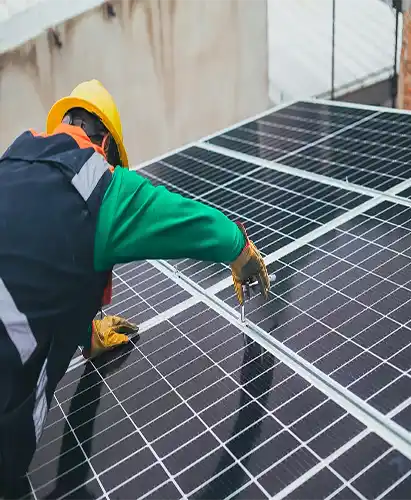
Companies like Somaya Solar Solutions play a key role at this stage by handling system design, procurement, installation, and commissioning ensuring that projects are executed in line with both technical standards and government guidelines.
Structured Decision Validation Checklist
Before proceeding with a PM-KUSUM installation, applicants should review several important factors:
- Confirm that the land is suitable for solar installation and meets proximity requirements for grid connection
- Verify eligibility under the scheme and ensure all necessary documents are available
- Evaluate vendor credentials, technical design proposals, and expected system performance
- Review financial arrangements including subsidies, loans, and long-term revenue potential
Final Takeaway
PM-KUSUM is more than just a subsidy scheme, it is a long-term opportunity to integrate clean energy into agricultural and rural infrastructure while generating additional income.
However, successful implementation depends on informed planning, correct vendor selection, and regulatory compliance.
Working with experienced solar EPC partners like Somaya Solar Solutions can help bridge the gap between policy and execution, ensuring that projects are not only approved but also perform efficiently over time. For More Information and support you can get in touch with our representatives at: +91-8700035846 or +91-9873079758.
PM Kusum
Offerings
Social Share:





Contact Info
C-159, Bulandshahr Road Industrial Area, Ghaziabad, Uttar Pradesh, Pin: 201009
www.somayasolar.com
info@somayasolar.com, sunil.singh@somayasolar.com
+91-8700035846, +91-9873079758
Request A Quote
Captcha: